Category: Heart Failure: Introduction
He 6.1
Pathophysiology of HF
Heart Failure progression is often described as a vicious circle. This refers to the maladaptive process where the body tries to compensate for the changes caused by the heart failing. This leads to a series of other processes which leads to a circle of heart failure. All the interventions utilised within heart failure management aim to improve symptoms and slow down progression. This simplified model illustrates the processes that occur as a result of a failing heart.
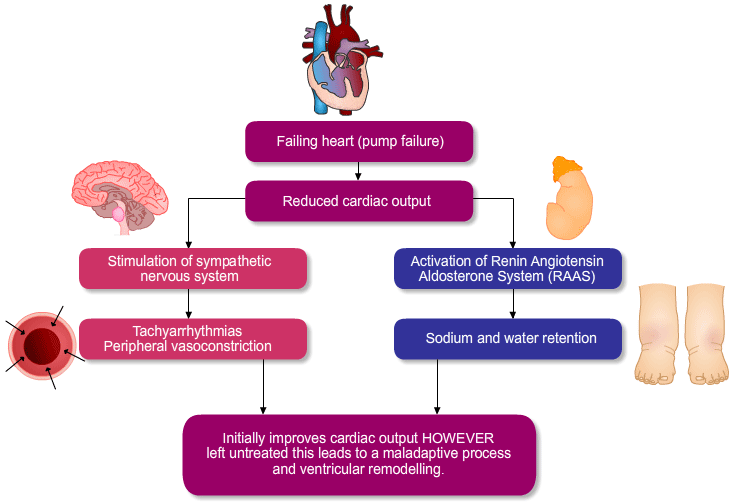
There are various other additional influences on this decompensatory cycle. These include neurohormonal responses, cell necrosis and death.
Most common causes of HF
CHD is the most common cause of HF, but below are some other common causes and a brief description of how this occurs.
| Damage to the heart muscle: | Excessive workload of the heart |
|---|---|
|
|
Heart failure (HF)
We will now explain the different terms you may come across in relation to Heart failure (HF).
Disclaimer – from this point onward the module will look only at Left Ventricular Systolic Dysfunction (LVSD) : as this is the condition that the evidence-based guidelines support.
SIGN Guideline 147: Management of chronic heart failure PDF
NICE Guideline NG106: Chronic heart failure in adults: diagnosis and management
European Society of Cardiology: Acute and Chronic Heart Failure Guidelines
Trajectory in relation to other diseases in the elderly
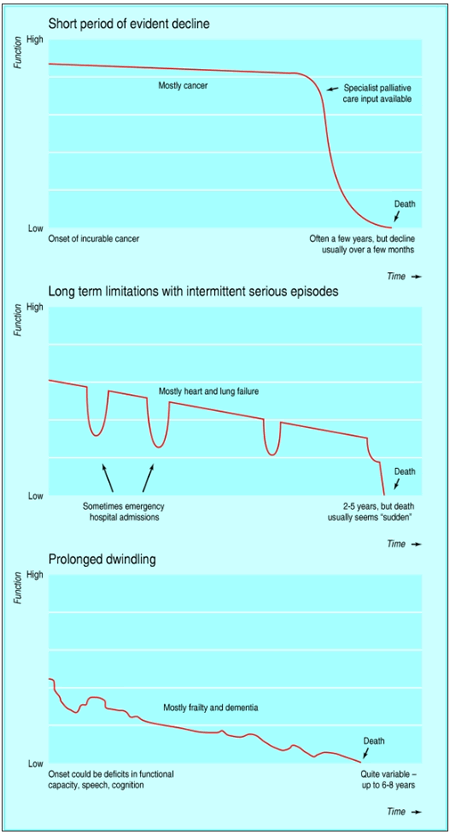 The difficulties in predicting heart failure trajectory is well evidenced. (Living & Dying Well, A National Action Plan for Palliative and end of life care in Scotland. Scottish Government (2008)).PDF
Untreated, heart failure has a poor prognosis but this can be improved considerably with early intervention and optimal treatment.
Quality of life in those living with heart failure is often worse than any other long-term condition and the condition carries a worse prognosis than many cancers (Rogers et al 2000; Juenger et al 2002).
Within 5 years of diagnosis, up to 50% of patients with heart failure will be dead. Mortality rates among newly diagnosed patients are 6% in the first month, 11% in the first 3 months and 14% in the first 6 months (Cowie et al 2000).
One of the associated challenges with these figures is the unpredictability of heart failure trajectory (see table). Heart Failure is less predictable than many other terminal diseases, comparable to other forms of progressive organ failure. There are often periods of “near death” and recovery and the course of heart failure and time spent progressing through the illness is variable for each patient.
Heart failure definition
Definition of heart failure: A complex clinical syndrome of symptoms and signs that suggest impairment of the heart as a pump supporting physiological circulation. “It is caused by structural or functional abnormalities of the heart.”
NICE Clinical Guideline No 106 (September 2018)
Heart failure symptoms usually develop over weeks and months as the heart becomes weaker and less able to pump the blood that your body needs. Heart failure usually results in an enlarged heart (left ventricle).
It is a serious condition which cannot usually be cured but it can be treated. It can cause severe impairment of both physical and social functioning and decreased energy levels. Overall, quality of life in people with heart failure declines markedly as the severity of the disease increases.
For more information on cardiac output and anatomy please see Module 1.
Learning outcomes
- Define the term heart failure and be aware of the common causes
- Identify heart failure symptoms and be aware of the NYHA tool and its relation to assessment of the patient’s symptoms
- Develop an awareness of the pharmacological and non pharmacological management of heart failure
- Be aware of advanced therapies and their role in the trajectory of heart failure
- Recognise the psychological influences in caring for patients living with heart failure and their carers
- Develop an awareness of the benefits and support for patients with heart failure and their families should be able to apply for
Introduction

Module authors
Module lead
Eve Shannon, Heart Failure Nurse/Educator, NHS Greater Glasgow & Clyde
Group members
Mandi Smith, Lead HF Nurse, NHS Highland
Gemma Craigie-Sharland, HF Support Lead, CHSS
David Holcombe, Benefits Advisor, NHS Fife/CHSS
Dr Aynsley Cowie, Physiotherapist Cardiac Rehabilitation, NHS Greater Glasgow & Clyde
Dr John Sharp, Cardiac/Psychology, NHS Greater Glasgow & Clyde
Paul Forsyth, Pharmacist, NHS Greater Glasgow & Clyde
Reviewers
Leslie Cruikshank, GP, Clinical Lead, NHS Forth Valley
Lynda Blue, BHF Project Lead, Scotland
Sinead McKee, Cardiac Practitioner, NHS Forth Valley
Frances Adamson, HF Nurse/Educator, NHS Grampian